
Understanding Flexibility: The Key to a Healthier, More Mobile Body
What is Flexibility?
Flexibility is the ability of your joints and muscles to move through their full range of motion (ROM) without pain or restriction. It plays a crucial role in maintaining overall fitness, preventing injuries, and enhancing performance in daily activities and sports.
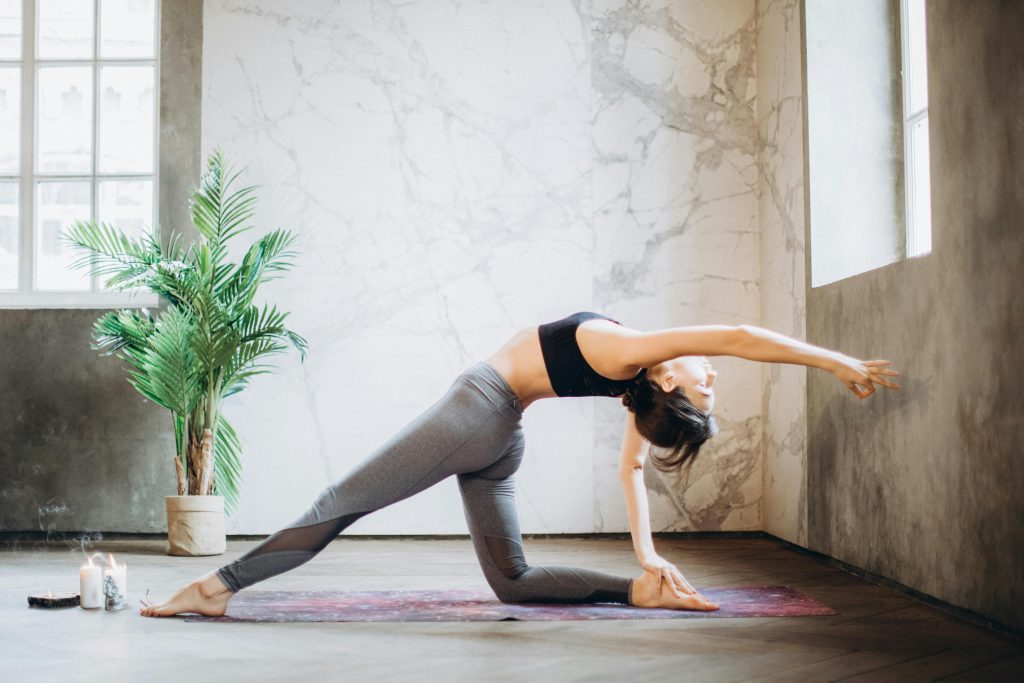

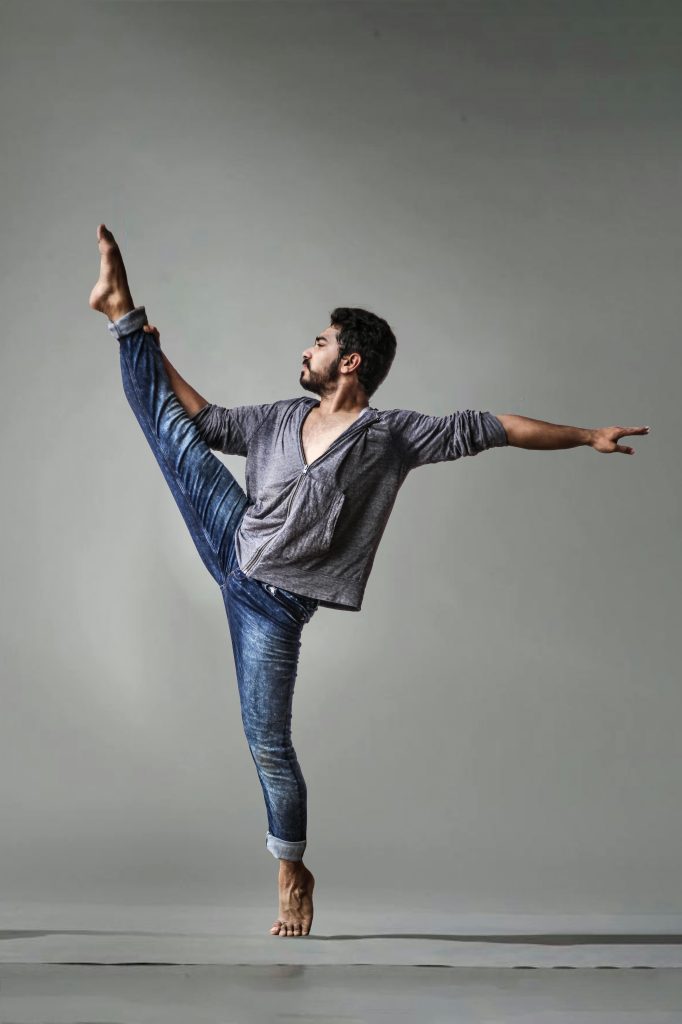
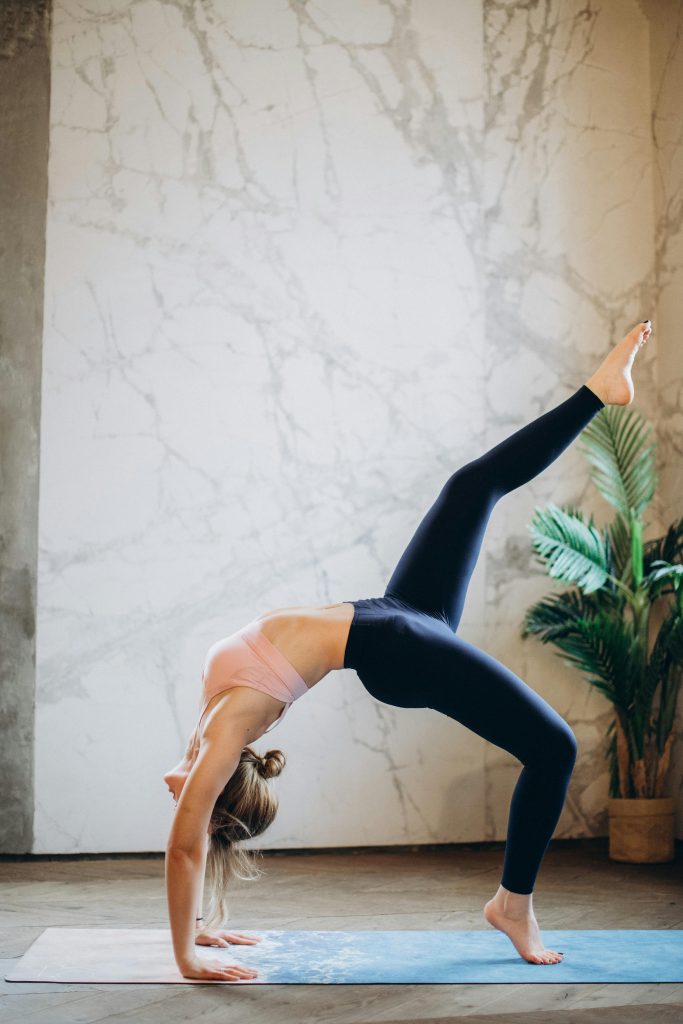
TYPES OF FLEXIBILITY
-
- Static Mobility
-
- Ability to hold a stretch without movement.
-
- Example: Touching your toes and holding that position.
- Dynamic Mobility
-
- Ability to move muscles and joints through their full range of motion during active movement.
-
- Example: Leg swings or arm circles before a workout.
- Active Moibility
-
- Using your own muscles to hold a stretch.
-
- Example: Holding your leg up high without external support.
- Passive Mobility
-
- Stretching with the help of an external force (like a partner or prop).
-
- Example: A trainer pushing your leg during a hamstring stretch.
-
-
-
-
- Static Mobility
Top 7 Benefits of Flexibility/Mobility
-
- Improved posture and alignment
-
- Reduced risk of injuries
-
- Enhanced performance in physical activities and sports
-
- Increased blood flow and nutrient delivery to muscles
-
- Better balance and coordination
-
- Decreased muscle soreness and tension
-
- Greater ease in daily movements (e.g., bending, reaching, lifting)
Top 3 Common Flexibility Exercises
 Static Stretches (after exercise)
-
- Hamstring stretch
-
- Quad stretch
-
- Shoulder stretch
-
- Triceps stretch
-
- Butterfly stretch (inner thighs)
Dynamic Stretches (before exercise)
-
- Arm circles
-
- Leg swings
-
- Walking lunges
-
- High knees
-
- Hip circles
Flexibility Training Modalities
-
- Yoga – Combines static and dynamic flexibility with breathwork.
-
- Pilates – Focuses on core strength and muscle control with flexibility.
-
- Stretching routines – Dedicated flexibility training with bands or foam rollers.
How Often Should You Stretch?
For general fitness:
-
- At least 2–3 times per week, ideally after workouts or as part of a cooldown.
-
- Hold each static stretch for 15–60 seconds and repeat 2–4 times per muscle group.
Tips for Safe and Effective Stretching
-
- Warm up first: Never stretch cold muscles—light cardio (5–10 mins) helps.
-
- Breathe deeply: Don’t hold your breath while stretching.
-
- Avoid bouncing: Bouncing (ballistic stretching) can cause injury.
-
- Stretch both sides: Keep balance and symmetry in flexibility.
-
- Listen to your body: Stretching should create mild tension, not pain.
Flexibility vs. Mobility: What’s the Difference?
-
- Flexibility = Muscle length and passive range of motion.
-
- Mobility = How well a joint moves actively through a range of motion, involving strength, coordination, and control.
 You need both for optimal movement and injury prevention!
Who Needs Flexibility?
Everyone can benefit, but it’s especially important for:
-
- Athletes (for performance and injury prevention)
-
- Seniors (to maintain independence and mobility)
-
- Office workers (to reduce stiffness from sitting)
-
- Dancers, martial artists, and yogis (for greater range of motion)
TIPS FOR YOU
To improve flexibility, stretch daily and warm up before exercise. Hold each stretch for 20–30 seconds without bouncing. Practice yoga or Pilates regularly. Stay consistent and patient—progress takes time. Maintain good posture, stay hydrated, and include flexibility training in your fitness routine for better movement and reduced injury risk.
Final Thoughts
Flexibility isn’t just about touching your toes—it’s about moving better, feeling better, and living with fewer aches and pains. Whether you’re an athlete or someone looking to improve everyday function, incorporating flexibility training into your fitness routine is essential.
Pingback: what is fitness - My Blog