
Perfect for anyone who needs flexibility, this guide offers simple stretches, mobility drills, and expert tips to improve movement, reduce stiffness, and boost overall performance. This complete guide is perfect for anyone who needs flexibility to move better, feel stronger, and prevent injuries. Learn effective stretching techniques, daily mobility routines, and expert flexibility tips for lasting results.
Designed for athletes, beginners, and anyone who needs flexibility, this program helps you improve mobility, reduce tightness, and enhance body balance. Discover easy exercises and proven methods to stay active and pain-free.
If you’re someone who needs flexibility for workouts, dance, or everyday movement, explore our best stretches and yoga-inspired routines. Build strength, prevent stiffness, and unlock your body’s full potential.
Flexibility isn’t just for athletes, dancers, or yoga lovers—it’s important for everyone! Whether you’re a student sitting long hours, a worker lifting boxes, or an older adult wanting to move freely, flexibility keeps your body healthy and strong.
Good flexibility improves posture, reduces muscle tension, and prevents injuries. It helps your joints move easily and supports better blood flow. Mentally, being flexible helps you adapt to life’s changes with ease and confidence.
Simple daily stretches, yoga, or even light movement can make a big difference. Flexibility keeps you active, relaxed, and ready for whatever life brings. So, no matter your age or lifestyle—everyone needs flexibility!
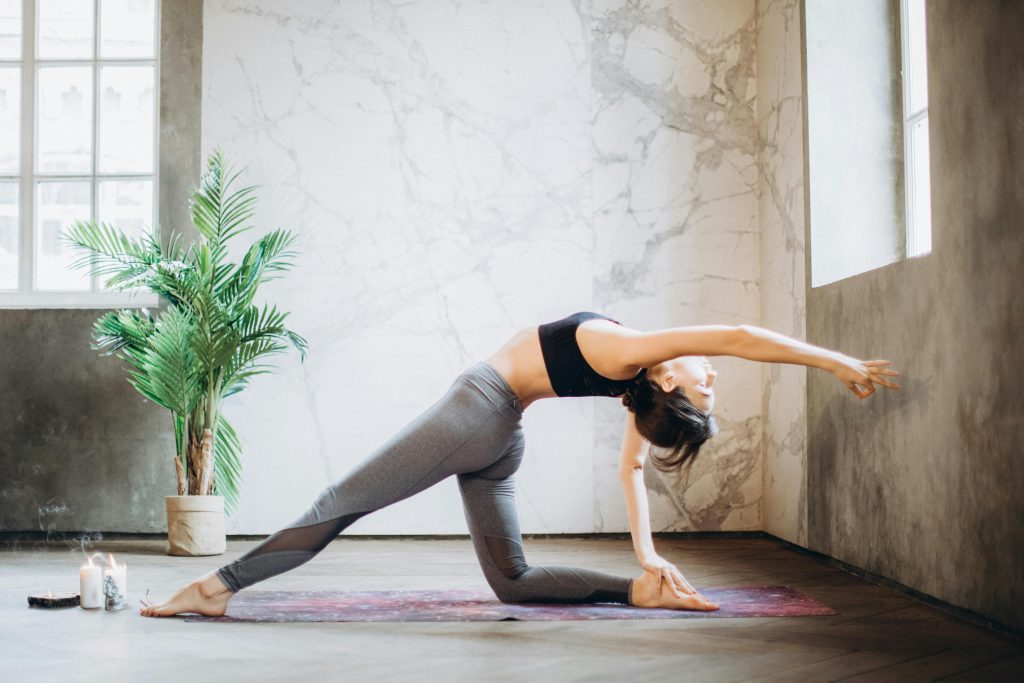
top 6 best NEEDS OF FLEXIBILITY (who need flexibility)
1. Students
Students spend long hours sitting in classrooms or studying. This can make their muscles stiff, especially in the back, neck, and legs. Regular stretching or light exercise helps improve posture and blood circulation, making them feel more energetic and focused.
2. Office Workers
People who work at desks all day often suffer from neck, shoulder, and lower back pain. Flexibility exercises, like stretching breaks or yoga, can ease tension, prevent posture problems, and reduce stress.
3. Athletes and Dancers
For athletes and dancers, flexibility is essential. It improves movement, increases strength, and prevents injuries. A flexible body performs better and recovers faster after intense activity.
4. Older Adults
As we age, muscles and joints naturally become stiffer. Flexibility exercises keep joints mobile, support balance, and lower the risk of falls. Staying flexible helps older adults stay active and independent.
5. Children and Teenagers
Developing flexibility early helps children build strong, healthy bodies. It improves coordination, posture, and overall physical performance.
6. Everyone Else
Even if you’re not very active, flexibility matters. Simple activities like walking, bending, or lifting objects become easier when your body moves freely.
Why Flexibility Matters?
Flexibility keeps your muscles and joints strong, mobile, and free from stiffness. It improves posture, reduces muscle tension, and helps prevent injuries during daily tasks or workouts. When your body moves smoothly, you also feel more relaxed and confident.
Who Really Needs It?
- Students: Sitting for long hours can make muscles tight. Stretching helps release tension.
- Office Workers: Flexibility prevents neck, shoulder, and back pain from sitting all day.
- Athletes and Dancers: It improves performance, balance, and movement.
- Older Adults: Keeps joints mobile and reduces the risk of falls.
- Everyone Else: Flexibility supports a healthy, active, and stress-free life!
here is some amazing benefits of flexibility (who need flexibility)
top 6 best Physical life changing Benefits
- Improved Range of Motion
- Flexibility helps your joints move freely and reduces stiffness.
- Better Posture and Alignment
- Stretching and flexibility training balance the muscles, improving your body posture.
- Reduced Risk of Injury
- Flexible muscles are less likely to tear or strain during workouts or daily activities.
- Enhanced Athletic Performance
- Flexibility improves movement efficiency, coordination, and power in sports and fitness activities.
- Less Muscle Soreness
- Stretching increases blood flow, helping muscles recover faster after exercise.
- Reduced Muscle Tension and Pain
- Regular flexibility exercises relieve tightness and reduce back, neck, or joint pain.
proven Mental and Emotional Benefits
- Stress Relief
- Stretching and yoga-style flexibility exercises calm the mind and reduce anxiety.
- Improved Focus and Relaxation
- Breathing deeply during flexibility workouts enhances mindfulness and concentration.
- Better Sleep
- Relaxed muscles and a calm mind lead to deeper, more restful sleep.
essential Long-Term Benefits
- Improved Balance and Stability
- Flexibility training supports better control and coordination as you age.
- Enhanced Circulation
- Stretching boosts blood flow, improving nutrient delivery to muscles.
- Supports Daily Activities
- Makes everyday movements—like bending, lifting, or reaching—easier and pain-free.
8 best Additional Physical Benefits
- Improves Blood Circulation
- Stretching promotes better oxygen and nutrient supply throughout the body.
- Prevents Muscle Imbalance
- Balances tight and weak muscles, which helps improve strength symmetry.
- Increases Energy Levels
- Reduces stiffness and tension, allowing your body to move more freely and feel more energized.
- Enhances Coordination and Agility
- Better flexibility supports smoother, more controlled body movements.
- Delays Age-Related Mobility Loss
- Keeps muscles and joints healthy, maintaining independence and mobility as you age.
- Improves Breathing Efficiency
- Stretching the chest and diaphragm muscles can enhance lung capacity and breathing.
- Supports Joint Health
- Reduces wear and tear on joints by allowing fuller, smoother movements.
- Improves Circulatory and Lymphatic Flow
- Helps remove toxins and reduce muscle fatigue after workouts.
Additional Mental and Emotional Benefits
- Boosts Confidence
- Improved physical ability and posture lead to better body confidence.
- Enhances Mind-Body Connection
- Increases awareness of how your body moves and feels.
- Promotes Emotional Balance
- Stretching and flexibility exercises help release physical and emotional tension.
- Encourages Consistency in Fitness
- Flexible muscles make workouts more enjoyable, reducing the risk of burnout or skipping sessions.
- Supports Recovery from Stress or Fatigue
- Gentle flexibility exercises act as active recovery for both mind and body.
Ways to Improve Flexibility
- Stretch Daily: Spend at least 10–15 minutes stretching your body.
- Warm Up Before Exercise: Prevent injuries by loosening up first.
- Try Yoga or Pilates: These activities build flexibility and balance.
- Stay Consistent: Small daily efforts lead to big improvements over time.
- Drink Water: Hydrated muscles are more elastic and move better.
The Mind-Body Connection
Flexibility isn’t only about your muscles—it’s also about your mindset. Being mentally flexible helps you handle change, stress, and challenges with a positive attitude. Just like stretching your body, you can “stretch” your mind to stay calm and adaptable.
Flexibility isn’t just about stretching your muscles—it’s also about stretching your mind. A flexible body helps you feel calm, focused, and balanced. When you move freely, you also release stress and tension.
Mental flexibility allows you to adapt to challenges and think positively, while physical flexibility keeps your body open and relaxed. Together, they create harmony between your body and mind, helping you live with greater ease, confidence, and peace.
Conclusion
Everyone needs flexibility to live a healthier and more comfortable life. It supports physical strength, mental balance, and emotional well-being. Start with small stretches each day and enjoy the freedom of movement that comes with it. Remember—a flexible body leads to a flexible mind!
Flexibility is a key part of a healthy, active, and balanced life. It helps your body move freely, prevents injuries, and supports mental relaxation. No matter your age or lifestyle, being flexible allows you to handle both physical and emotional challenges more easily.
Start with small steps—stretch daily, stay active, and keep an open mind. Remember, a flexible body leads to a flexible mind, and together they bring strength, peace, and well-being to your life.
Pingback: flexibility - My Blog